
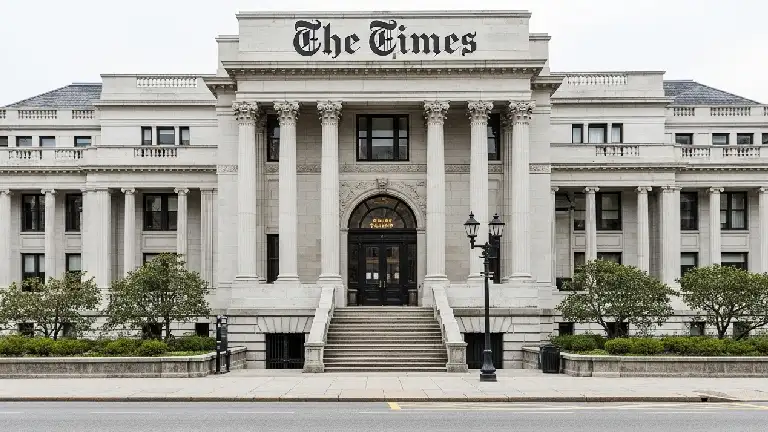
Introduction to The Times as a news source
In an age where information is at our fingertips, discerning credible news sources from unreliable ones has become crucial. The Times, a name synonymous with journalism for over 200 years, often finds itself at the center of this conversation. But just how reliable is it? With its long-standing reputation and global reach, many turn to The Times for insights into current events. Yet, like any source, it has its share of critics and controversies that raise eyebrows. Let’s delve deeper into what makes The Times tick and explore whether it’s truly a trustworthy ally in navigating today’s complex media landscape.
History and reputation of The Times
Founded in 1785, The Times has long been a cornerstone of British journalism. Its commitment to quality reporting and in-depth analysis established it as a leading news source.
Over the centuries, The Times has navigated through political upheavals and societal changes. It played a pivotal role during World War II, providing crucial information to the public amid uncertainty.
The paper’s reputation is marked by its investigative journalism and editorial integrity. High-profile scoops have cemented its status among readers seeking reliable news.
Yet, with great influence comes scrutiny. Critics highlight instances where bias may seep into articles or where sensationalism overshadows factual reporting. Despite this, many still regard The Times as an authoritative voice on global affairs.
Its prestigious history continues to shape perceptions today as audiences evaluate whether it maintains its longstanding credibility in an evolving media landscape.
Methods of fact-checking and verification used by The Times
The Times employs rigorous fact-checking methods to maintain its journalistic integrity. Each article typically goes through multiple layers of review before publication.
Reporters are trained to cross-reference information from credible sources. This diligence helps ensure accuracy and fosters trust with readers.
Additionally, The Times has a dedicated team focused on verifying facts in real-time. They utilize various databases and resources for validating claims made in articles.
When sourcing quotes or statistics, reporters often seek out original documents or primary sources. This approach minimizes the risk of misinformation slipping through the cracks.
Moreover, The Times encourages transparency by citing sources whenever possible. Readers can trace back claims directly to their origin, reinforcing accountability within the reporting process.
These systematic practices underscore why many consider The Times a reputable news source despite occasional criticism it faces.
Exploring the Vibrant World of Pedro Vaz Artist: A Journey
Criticisms and controversies surrounding The Times
The Times has faced its share of criticisms over the years. Some argue it exhibits a bias, particularly in its political coverage. Readers often question whether editorial choices lean toward specific ideologies.
Additionally, there have been instances of inaccuracies and misreporting that sparked outrage. These errors raised concerns about the paper’s commitment to fact-checking and objectivity.
Controversial pieces sometimes provoke backlash from both sides of the political spectrum. This often leads to debates on social media platforms where opinions clash fiercely.
Moreover, some critics point to the newspaper’s ownership structure as a potential influence on editorial independence. They worry that financial interests might shape news narratives more than journalistic integrity should allow.
These controversies can tarnish public perception and raise doubts about The Times’ reliability as an objective source for news stories.
Comparison with other news sources
When evaluating if The Times is a reliable source, it’s essential to compare it with other news outlets. Major players like BBC News and The Guardian have their own established reputations and rigorous editorial standards.
BBC News stands out for its global reach and commitment to impartiality. It often emphasizes balanced reporting, striving to present multiple viewpoints on contentious issues.
The Guardian is known for its investigative journalism and progressive stance, attracting readers who value in-depth analysis over breaking news headlines. However, this focus can sometimes lead critics to label it as biased.
In contrast, sources like Fox News or Breitbart lean heavily into opinion-driven narratives that may not always prioritize fact-checking. Their approach can polarize audiences further.
Each outlet has strengths and weaknesses; thus, diversifying your media consumption remains crucial for a well-rounded understanding of the news landscape.
Personal experiences with The Times
My first encounter with The Times was during a university project. I needed credible sources, and it became my go-to for well-researched articles. The depth of analysis stood out.
Reading through its coverage on global events felt like peeling back layers of complexity. Each article prompted me to think critically about the world around me.
Later, while traveling abroad, I picked up a print edition. There’s something special about holding an actual newspaper in hand—pages filled with stories that connect us all.
However, it wasn’t always smooth sailing. Occasionally, I encountered pieces that seemed biased or lacking context. It made me question the editorial choices behind certain headlines.
Despite these hiccups, the overall experience reinforced my belief in seeking diverse perspectives when consuming news from any source.
Conclusion: Is The Times a reliable source for news?
Evaluating the reliability of The Times requires a nuanced perspective. Its long-standing history and reputation set a foundation for trustworthiness.
However, scrutiny is essential. While it employs rigorous fact-checking methods, no news source is infallible. Biases can seep into reporting, influenced by various factors.
Readers should consider diverse viewpoints when assessing credibility. Engaging with multiple sources often leads to better-informed opinions.
Personal experiences also play a role in how one perceives reliability. Some may find The Times aligns with their values and delivers accurate information consistently.
Individual judgment becomes crucial in determining whether The Times meets your standards as a trustworthy news outlet.
FAQs
Evaluating the credibility of a news source is essential in today’s information-driven society. The Times has been a prominent player in journalism for many years, and its reputation often raises questions about reliability.
As one of the oldest newspapers in the world, The Times boasts a rich history that speaks to its longstanding commitment to reporting. Established in 1785, it has covered significant global events while maintaining an editorial standard that many have come to respect.
The rigorous methods used by The Times for fact-checking are noteworthy. Journalists adhere to strict guidelines designed to ensure accuracy. This process includes multiple layers of verification before any story goes live, helping bolster trust among readers.
However, criticisms do exist regarding certain aspects of The Times’ coverage. Accusations of bias or sensationalism occasionally surface, leading some readers to question its objectivity. These controversies can impact perceptions about whether it’s a reliable source.
When comparing it with other news outlets like BBC News or Reuters, there are both similarities and differences in reporting styles and editorial policies. Each outlet brings unique strengths but also weaknesses when it comes to presenting unbiased information.
Personal experiences with The Times may vary significantly from reader to reader; some find it informative and trustworthy while others express skepticism based on past reports or specific articles they read.
So where does this leave us? Is The Times a reliable source for news? That ultimately depends on individual perspectives shaped by personal values and prior experiences with media consumption.
Is The Times considered biased?
While some critics argue that there might be biases present due to editorial slants, others maintain that its journalistic integrity holds up against scrutiny.
What types of stories does The Times cover?
The newspaper covers various topics including politics, culture, science, technology and international affairs among others.
How can I verify if an article from The Times is accurate?
Cross-referencing facts mentioned in articles with reputable sources such as government websites or academic publications can help confirm their validity.