
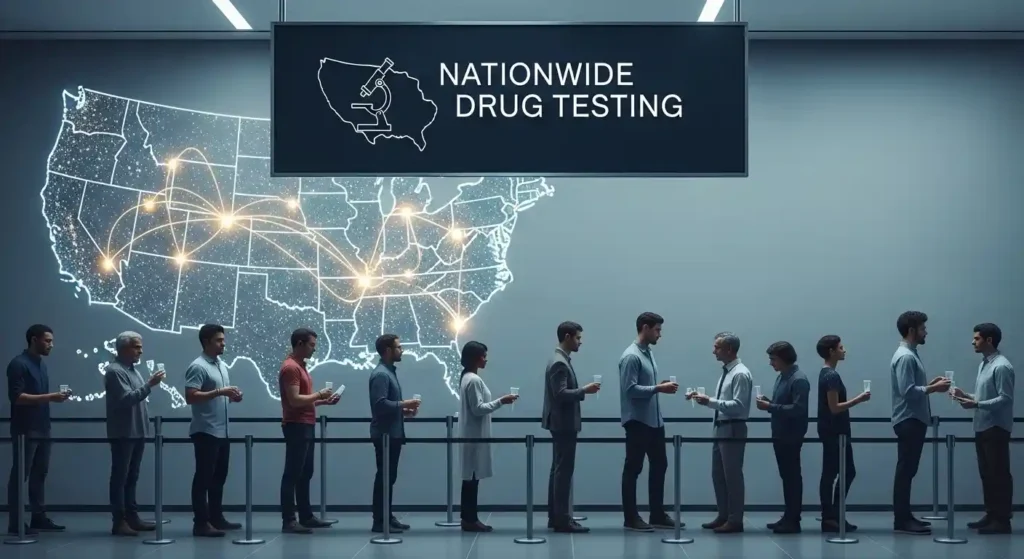
Introduction to Nationwide Drug Testing
The conversation around drug testing in the United States has been a heated one, especially as the concept of nationwide drug testing gains traction. As concerns about substance abuse rise and the workforce demands accountability, more states and companies are looking towards implementing standardized testing protocols. But what does this mean for individuals and society as a whole?
This blog post will take you through an exploration of nationwide drug testing—from its historical roots to its current status, examining both advantages and disadvantages along the way. Join us on this journey to understand how these policies shape lives, influence workplaces, and potentially redefine societal norms surrounding drug use. Whether you’re for or against it, it’s crucial to grasp every aspect of this important issue.
History and Evolution of Drug Testing Laws in the U.S
Drug testing in the U.S. has roots that stretch back to the early 20th century. Initially, it focused on preventing illicit drug use among specific groups, such as athletes and military personnel.
In the 1980s, a significant shift occurred with the rise of substance abuse concerns during the Reagan administration. This led to federal mandates for drug testing in workplaces, particularly for employees in safety-sensitive positions.
The landmark Drug-Free Workplace Act of 1988 set stringent regulations for organizations receiving federal contracts or grants. It marked a turning point towards widespread adoption across various sectors.
Over time, states began enacting their own laws related to drug testing procedures and employee rights. Today’s landscape is shaped by advancements in technology and an ongoing dialogue about privacy rights versus public safety.
As societal views on drugs evolve—particularly regarding marijuana—the debate surrounding these laws continues to be dynamic and contentious.
The Current Status of Nationwide Drug Testing
Nationwide drug testing has gained traction in various sectors, particularly within workplaces and educational institutions. Employers increasingly implement drug testing policies to promote safety and productivity. Many industries now consider it a standard practice.
However, the landscape remains complex. While some states advocate for comprehensive testing regulations, others prioritize individual privacy rights. This inconsistency leads to confusion among employers and employees alike.
In recent years, technology has transformed how tests are administered. Instant results through saliva or urine tests have become more common, making the process less invasive and quicker.
Legislative efforts continue to shape this field. Some lawmakers push for stricter regulations while others seek reforms that protect personal freedoms. The dialogue surrounding nationwide drug testing is ongoing and evolving rapidly as society reassesses its stance on substance use and workplace safety measures.
Crystal Palace vs Fredrikstad: A Clash of Styles in International Football
Pros and Cons of Nationwide Drug Testing
Nationwide drug testing has sparked significant debate. Supporters argue it enhances workplace safety and productivity. By ensuring employees are fit for duty, companies can reduce accidents and liabilities.
On the flip side, critics raise concerns about privacy invasion. Mandatory testing may lead to distrust between employers and employees. Many believe that an individual’s personal life should remain their own business.
Moreover, implementing such programs can be costly. Employers must invest in training staff, purchasing equipment, and conducting regular tests. This financial burden might outweigh potential benefits for smaller businesses.
Additionally, there is a risk of stigmatizing individuals who test positive. Users of legal substances could face undue discrimination based on outdated perceptions.
The balance between safety and personal rights remains a contentious issue as more states consider adopting nationwide drug testing policies.
The Effects on Individuals and Society
Nationwide drug testing shapes lives in profound ways. For individuals, the experience can be daunting. Many face anxiety when subjected to tests, fearing repercussions on their careers or personal lives.
Job seekers may feel pressured to maintain a clean record, leading some to avoid substances altogether. This shift can promote healthier lifestyles but also create an environment of distrust among colleagues.
On a societal level, the effects are equally complex. Employers often cite safety and productivity as reasons for implementing drug tests. However, critics argue that these measures can perpetuate stigma against those struggling with addiction or past substance abuse issues.
Moreover, communities grapple with questions of fairness and equity in testing practices. Disparities can arise based on socioeconomic status or ethnicity, further dividing society instead of fostering unity and understanding around health matters like addiction recovery and mental wellness support systems.
Case Studies: Success or Failure of Nationwide Drug Testing Programs
Case studies on nationwide drug testing programs reveal a mixed bag of outcomes. In some states, initiatives have led to a significant drop in workplace accidents and increased productivity. For instance, companies that implemented routine screenings noted a 20% reduction in on-the-job injuries.
Conversely, other programs faced backlash due to privacy concerns and the potential for discrimination. In certain instances, employees felt unfairly targeted based on past behaviors rather than current performance. This has sparked debates about ethical boundaries in mandatory testing.
Moreover, states like Texas have reported success in reducing substance abuse rates among high school students through random drug tests. However, critics argue such measures infringe upon personal freedoms and may not effectively deter use.
These diverse results highlight the complexities surrounding nationwide drug testing efforts, illuminating both its benefits and pitfalls across different sectors.
Possible Future Developments and Controversies
The landscape of nationwide drug testing is ever-evolving. As technology advances, we might see more sophisticated testing methods emerge. Rapid tests that provide instant results could become the norm, shifting how organizations implement their policies.
However, this progress may spark controversies surrounding privacy and consent. Striking a balance between safety and individual rights will be crucial in upcoming debates.
Moreover, as public opinion shifts on issues like cannabis legalization, drug testing protocols may also undergo significant changes. Employers may need to reconsider their stance on certain substances in light of evolving laws.
Ethical considerations will play a vital role too. Questions about discrimination against specific demographics or industries are likely to arise as these programs expand further into society.
This complex web of advancements and challenges suggests that discussions around nationwide drug testing will remain dynamic for years ahead.
Conclusion
Nationwide drug testing continues to shape the landscape of workplaces and communities across America. As its presence grows, so do discussions about effectiveness and ethics.
Debates emerge around the balance between public safety and individual rights. Employers often cite safety concerns as justification for these programs, while critics argue they may infringe on personal freedoms.
Data from various studies reveal mixed results regarding deterrence and rehabilitation outcomes. Some regions have seen a decline in substance abuse rates, while others report persistent challenges.
The future remains uncertain with evolving societal norms surrounding drugs. Legislative changes could further influence how drug testing is implemented or perceived.
In navigating this complex issue, continuous dialogue among stakeholders is essential to foster understanding and drive meaningful change within our society. The journey towards a comprehensive approach may still be unfolding.
FAQs
What is nationwide drug testing?
Nationwide drug testing refers to the implementation of standardized drug screening across various sectors, including employment and education. This approach aims to maintain a safe environment by identifying substance abuse.
Why was nationwide drug testing implemented?
The initiative began as a public health response to rising concerns about substance abuse and its impact on workplace safety, productivity, and overall societal health. It seeks to deter illicit drug use through proactive measures.
Are there different types of drug tests used in these programs?
Yes. Various methods are employed, such as urine tests, hair follicle tests, saliva swabs, and blood screenings. Each method has its advantages depending on factors like detection window or specific substances being tested.
What are common criticisms of nationwide drug testing?
Critics argue that it can lead to privacy violations and discrimination against certain groups. Additionally, some studies suggest that the effectiveness in curbing substance abuse is limited compared to other interventions like addiction treatment programs.
How does nationwide drug testing affect job seekers?
For many job seekers, passing a mandatory drug test may be essential for securing employment. This requirement could eliminate candidates who struggle with substance use disorders but might otherwise excel at their jobs given proper support.
Are there legal protections for individuals subjected to these tests?
Yes. Laws vary by state but generally provide some level of protection against wrongful termination based solely on failed tests—especially if employees successfully appeal or undergo rehabilitation first.
What changes might we see regarding national policies in the future?
As attitudes towards drugs evolve—particularly concerning marijuana legalization—we may witness shifts in legislation around both recreational use and workplace policies regarding acceptable levels of impairment while performing work duties.