
Introduction
Understanding nahttypen is essential for anyone involved in sewing, tailoring, fashion design, or textile manufacturing. Whether you stitch garments at home or work in a professional production environment, the type of seam you choose directly affects durability, comfort, and appearance. Many beginners focus on fabric and thread but ignore seam structure, which often leads to weak stitching or poor finishing.
In this detailed guide, we explore nahttypen in a clear, practical, and professional way. You will learn how different seam types function, where they work best, and why choosing the right one improves garment quality. This article blends technical accuracy with real-world experience, ensuring both beginners and experts gain value.
What Are Nahttypen?
Nahttypen is a technical term used to describe different types of seams used in sewing and textile construction. Each seam type serves a specific purpose based on fabric weight, garment function, and stress level. Some seams prioritize strength, while others focus on flexibility or visual appeal.
In modern textile work, nahttypen play a critical role in:
-
Garment durability
-
Comfort during wear
-
Fabric stability
-
Professional finishing
Choosing the wrong seam can result in tearing, discomfort, or early fabric failure. That is why understanding seam types is a foundational skill.
Why Choosing the Right Seam Type Matters
Every garment experiences tension at certain points such as shoulders, side seams, crotches, and hems. Selecting appropriate nahttypen ensures the seam can handle stress without breaking or distorting fabric.
Benefits of correct seam selection include:
-
Longer garment lifespan
-
Clean internal finishing
-
Improved fit and structure
-
Reduced fabric fraying
Professional tailors always match seam type with fabric behavior and garment purpose.
Main Types of Nahttypen Used in Sewing
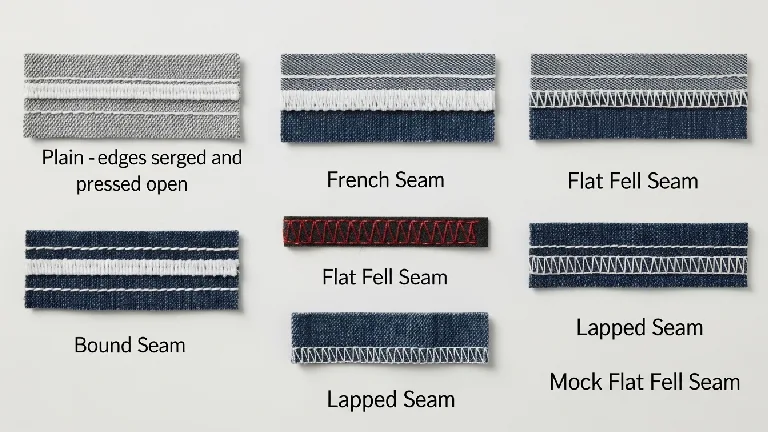
1. Plain Seam
The plain seam is the most commonly used seam in garment construction. It joins two fabric pieces with a straight stitch and works best for light to medium fabrics.
Key features:
-
Simple and fast
-
Easy to alter
-
Suitable for most clothing
This seam forms the foundation of many other nahttypen.
2. French Seam
French seams fully enclose raw edges, making them ideal for delicate fabrics like silk or chiffon.
Advantages:
-
Clean and elegant finish
-
Prevents fraying
-
Comfortable against skin
This seam is often used in luxury garments.
3. Flat-Felled Seam
This seam type appears in jeans, workwear, and shirts. It lies flat and offers exceptional strength.
Why it stands out:
-
Extremely durable
-
No exposed edges
-
Strong resistance to stress
Among all nahttypen, this one excels in heavy-duty clothing.
4. Overlocked Seam
Overlocked seams use specialized machines to stitch and trim edges simultaneously.
Best for:
-
Knit fabrics
-
Stretch garments
-
Mass production
This seam improves elasticity and speed in manufacturing.
5. Lapped Seam
Lapped seams overlap fabric layers instead of placing them edge to edge.
Common uses:
-
Leather garments
-
Industrial textiles
-
Upholstery
They offer excellent strength and structural integrity.
Comparison Chart: Understanding Nahttypen at a Glance
| Seam Type | Strength Level | Fabric Type | Visual Finish | Common Use |
|---|---|---|---|---|
| Plain Seam | Medium | Cotton, Linen | Basic | Everyday clothing |
| French Seam | Low–Medium | Silk, Sheer | Clean & Hidden | Delicate garments |
| Flat-Felled Seam | High | Denim, Canvas | Professional | Jeans, shirts |
| Overlocked Seam | Medium | Knit, Stretch | Functional | Activewear |
| Lapped Seam | Very High | Leather, Heavy Fabric | Structured | Jackets, upholstery |
This comparison helps quickly identify the most suitable nahttypen for any project.
How Fabric Choice Affects Seam Performance
Fabric weight, weave, and stretch all influence seam behavior. Lightweight fabrics require enclosed seams, while heavy materials need reinforced stitching.
Matching nahttypen with fabric characteristics:
-
Lightweight → French seams
-
Stretch fabric → Overlocked seams
-
Heavy fabric → Flat-felled or lapped seams
Ignoring this relationship often leads to seam failure.
Nahttypen in Fashion vs Industrial Sewing
In fashion, seam choice balances aesthetics and comfort. Designers prefer hidden or decorative seams to enhance garment appearance.
In industrial sewing, nahttypen focus on:
-
Speed
-
Strength
-
Consistency
Both environments rely on technical precision but apply seams differently.
Common Mistakes When Selecting Seam Types
Many sewing issues arise from poor seam choices.
Avoid these mistakes:
-
Using plain seams on heavy fabric
-
Skipping seam finishing on fraying textiles
-
Ignoring stress points in garments
Understanding nahttypen helps prevent costly rework and fabric waste.
Modern Innovations in Seam Construction
Modern sewing technology has improved seam durability and flexibility. Machines now create stronger stitches with fewer passes, reducing fabric damage.
Advanced seam techniques focus on:
-
Stretch recovery
-
Moisture resistance
-
Reduced bulk
These innovations continue to expand the practical use of nahttypen in modern apparel.
Best Practices for Professional Seam Results
To achieve clean, durable seams:
-
Match thread strength to fabric
-
Maintain even seam allowance
-
Press seams properly after stitching
These practices elevate seam quality regardless of experience level.
FAQs
1. What are nahttypen used for in sewing?
Nahttypen define how fabric pieces are joined together. They determine seam strength, flexibility, and appearance in garments and textiles.
2. Which seam type is the strongest?
Flat-felled and lapped seams offer the highest strength, making them ideal for heavy-duty clothing and industrial use.
3. Are French seams suitable for everyday clothing?
French seams work best for lightweight or delicate fabrics but may feel bulky in thick materials.
4. Can one garment use multiple seam types?
Yes, professional garments often combine different nahttypen based on stress points and fabric behavior.
5. How do I choose the right seam type as a beginner?
Start by matching seam type to fabric weight and garment function, then test on scrap fabric before final stitching.
Conclusion
Mastering nahttypen transforms sewing from basic stitching into skilled craftsmanship. The right seam choice enhances durability, comfort, and visual appeal while preventing common construction problems. From lightweight garments to heavy industrial applications, understanding seam behavior ensures professional results every time.
By applying the knowledge shared in this guide, you gain confidence, efficiency, and control over your sewing outcomes. As fabrics and techniques evolve, nahttypen remain a timeless foundation of quality textile construction.